
A Mother’s Day Special : It Is a Mother’s Duty to Keep Herself Healthy and Happy

A Mother’s Day Special : It Is a Mother’s Duty to Keep Herself Healthy and Happy

Avatar
rakhi sunil kumar

10 May 20264 min read

Published in editorialstories

Eight-year-old Golu stood quietly near the school gate, watching other children run joyfully into their mothers’ arms after the final bell rang. Some complained about homework, some excitedly narrated stories from class, while others simply held their mother’s hand as they walked home together.

Golu smiled faintly, but deep inside, his eyes searched for someone who would never come again.

A year earlier, he had lost his mother to a sudden illness. Since then, everything at home looked the same, yet nothing truly felt the same. The kitchen had become quieter. Festivals no longer carried the same excitement. Even his smallest achievements felt incomplete because the one person who celebrated every little success with the loudest happiness was no longer there.

People around him often said, “Be strong,” but very few understood what a child truly goes through after losing a parent at an early age. It is not only the loss of care — it is the loss of warmth, emotional security, comfort, guidance, and a precious part of childhood itself.

Children who lose a parent too early often grow up before their time. They learn silence before they learn expression. They begin understanding pain before they fully understand life.

This is why the health and happiness of parents matter far more than we often realize.

Mother’s Day is usually celebrated with flowers, greetings, gifts, and heartfelt messages. We thank mothers for their unconditional love, endless sacrifices, and tireless dedication toward their families. But beyond all these celebrations lies an important truth — mothers and parents must also take care of their own health and happiness, not only for themselves, but for the emotional well-being of their children.

Parents form the emotional foundation of a child’s world. A child may not fully understand financial pressures, career struggles, or adult responsibilities, but they deeply understand love, affection, presence, and emotional connection.

When parents are healthy — physically, mentally, and emotionally — children feel safer and more secure in life.

Unfortunately, mothers spend years neglecting themselves while caring for everyone else. Mothers often skip meals, ignore exhaustion, postpone medical check-ups, and sacrifice rest for their families. Fathers silently carry stress, responsibilities, and worries while constantly focusing on providing for the family. Slowly, their own health becomes secondary.

But health is not a luxury. It is a responsibility — toward oneself and toward one’s family.

Children need healthy and emotionally available parents more than they need material comforts. They need hugs after difficult days, encouragement after failures, and reassurance during moments of fear and uncertainty. The presence of a healthy and happy parent becomes the invisible strength that shapes a child’s confidence and emotional stability.

A home where parents constantly live under stress, exhaustion, frustration, or poor health unknowingly affects children too. Children silently absorb emotions around them. They notice tension, sadness, irritation, and emotional distance, even when nothing is openly spoken.

On the other hand, when parents take care of themselves, the atmosphere at home changes beautifully. There is more patience, more warmth, more laughter, and more peace.

Emotional health is just as important as physical health. Many parents ignore their emotional well-being because they feel they must always appear strong. But stress, loneliness, anxiety, and emotional burnout eventually affect the entire family.

Children do not expect perfect parents. They simply need present parents.

Parents must understand that caring for themselves is not selfish — it is necessary. Just as a lamp needs oil to continue giving light, parents need physical strength and emotional happiness to continue caring for their loved ones.
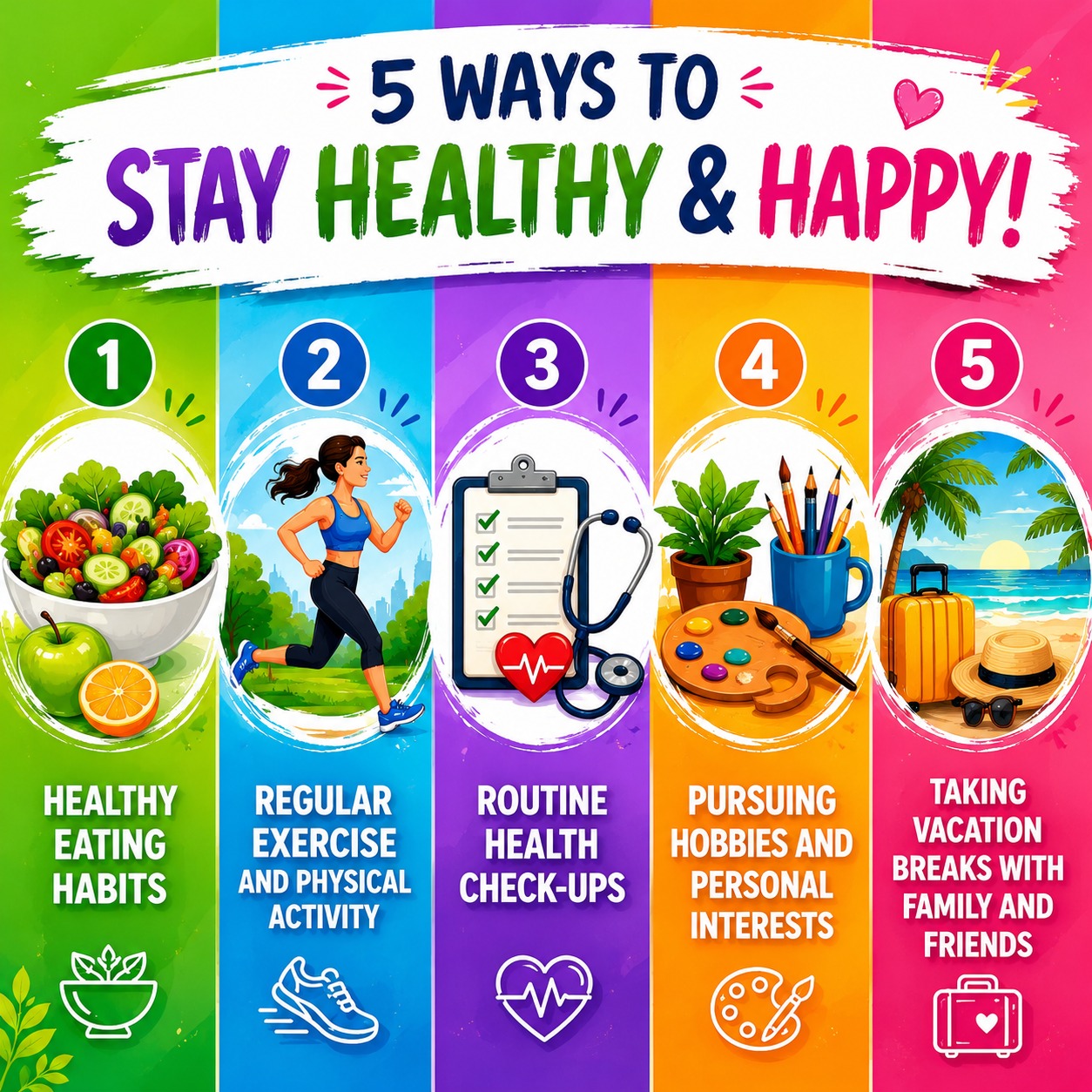

Simple 5 habits can greatly improve both health and happiness of the family:

  1. Healthy eating habits

  2. Regular exercise and physical activity

  3. Routine health check-ups

  4. Pursuing hobbies and personal interests

  5. Taking vacation breaks with family and friends


These small yet meaningful habits help create emotional balance and physical strength.

Children also learn important life lessons by observing their parents. When they see parents respecting their own health and emotional well-being, they learn to value themselves too. They grow up understanding that self-care is not selfishness, but wisdom.

Especially for mothers, society often glorifies sacrifice so much that many women stop caring for their own dreams, health, and happiness. But a mother’s smile is one of the strongest emotional energies within a family. When she feels healthy, peaceful, and valued, the entire home feels brighter.

This Mother’s Day, perhaps the most important message we can share is this:

Parents deserve care too — not only on special occasions, but every single day.

Because behind every emotionally secure child is usually a parent who stayed strong enough, healthy enough, and hopeful enough to continue giving love despite life’s challenges.

And for a child, nothing in the world can truly replace the comfort of knowing that their parents are healthy, happy, and present beside them.

-Rakhi Sunil Kumar

Chief Editor, StoryBerrys

Comments (0)

Please login to share your comments.


Storyberrys — Discover & Share Creative Stories

Read short stories, poetry, art and more — from a community of storytellers, in English and Hindi.

© Copyright 2026 Storyberrys Digital Services LLP. All rights reserved.

A Mother’s Day Special : It Is a Mother’s Duty to Keep Herself Healthy and Happy

A Mother’s Day Special : It Is a Mother’s Duty to Keep Herself Healthy and Happy

Avatar
rakhi sunil kumar

10 May 20264 min read

Published in editorialstories

Eight-year-old Golu stood quietly near the school gate, watching other children run joyfully into their mothers’ arms after the final bell rang. Some complained about homework, some excitedly narrated stories from class, while others simply held their mother’s hand as they walked home together.

Golu smiled faintly, but deep inside, his eyes searched for someone who would never come again.

A year earlier, he had lost his mother to a sudden illness. Since then, everything at home looked the same, yet nothing truly felt the same. The kitchen had become quieter. Festivals no longer carried the same excitement. Even his smallest achievements felt incomplete because the one person who celebrated every little success with the loudest happiness was no longer there.

People around him often said, “Be strong,” but very few understood what a child truly goes through after losing a parent at an early age. It is not only the loss of care — it is the loss of warmth, emotional security, comfort, guidance, and a precious part of childhood itself.

Children who lose a parent too early often grow up before their time. They learn silence before they learn expression. They begin understanding pain before they fully understand life.

This is why the health and happiness of parents matter far more than we often realize.

Mother’s Day is usually celebrated with flowers, greetings, gifts, and heartfelt messages. We thank mothers for their unconditional love, endless sacrifices, and tireless dedication toward their families. But beyond all these celebrations lies an important truth — mothers and parents must also take care of their own health and happiness, not only for themselves, but for the emotional well-being of their children.

Parents form the emotional foundation of a child’s world. A child may not fully understand financial pressures, career struggles, or adult responsibilities, but they deeply understand love, affection, presence, and emotional connection.

When parents are healthy — physically, mentally, and emotionally — children feel safer and more secure in life.

Unfortunately, mothers spend years neglecting themselves while caring for everyone else. Mothers often skip meals, ignore exhaustion, postpone medical check-ups, and sacrifice rest for their families. Fathers silently carry stress, responsibilities, and worries while constantly focusing on providing for the family. Slowly, their own health becomes secondary.

But health is not a luxury. It is a responsibility — toward oneself and toward one’s family.

Children need healthy and emotionally available parents more than they need material comforts. They need hugs after difficult days, encouragement after failures, and reassurance during moments of fear and uncertainty. The presence of a healthy and happy parent becomes the invisible strength that shapes a child’s confidence and emotional stability.

A home where parents constantly live under stress, exhaustion, frustration, or poor health unknowingly affects children too. Children silently absorb emotions around them. They notice tension, sadness, irritation, and emotional distance, even when nothing is openly spoken.

On the other hand, when parents take care of themselves, the atmosphere at home changes beautifully. There is more patience, more warmth, more laughter, and more peace.

Emotional health is just as important as physical health. Many parents ignore their emotional well-being because they feel they must always appear strong. But stress, loneliness, anxiety, and emotional burnout eventually affect the entire family.

Children do not expect perfect parents. They simply need present parents.

Parents must understand that caring for themselves is not selfish — it is necessary. Just as a lamp needs oil to continue giving light, parents need physical strength and emotional happiness to continue caring for their loved ones.


Simple 5 habits can greatly improve both health and happiness of the family:

  1. Healthy eating habits

  2. Regular exercise and physical activity

  3. Routine health check-ups

  4. Pursuing hobbies and personal interests

  5. Taking vacation breaks with family and friends


These small yet meaningful habits help create emotional balance and physical strength.

Children also learn important life lessons by observing their parents. When they see parents respecting their own health and emotional well-being, they learn to value themselves too. They grow up understanding that self-care is not selfishness, but wisdom.

Especially for mothers, society often glorifies sacrifice so much that many women stop caring for their own dreams, health, and happiness. But a mother’s smile is one of the strongest emotional energies within a family. When she feels healthy, peaceful, and valued, the entire home feels brighter.

This Mother’s Day, perhaps the most important message we can share is this:

Parents deserve care too — not only on special occasions, but every single day.

Because behind every emotionally secure child is usually a parent who stayed strong enough, healthy enough, and hopeful enough to continue giving love despite life’s challenges.

And for a child, nothing in the world can truly replace the comfort of knowing that their parents are healthy, happy, and present beside them.

-Rakhi Sunil Kumar

Chief Editor, StoryBerrys

Comments (0)

Please login to share your comments.


Storyberrys — Discover & Share Creative Stories

Read short stories, poetry, art and more — from a community of storytellers, in English and Hindi.

© Copyright 2026 Storyberrys Digital Services LLP.

All rights reserved.