
Book Review : A Bold, Big-Picture Look at Indian and World Cinema’s Past—and Its Future

Book Review : A Bold, Big-Picture Look at Indian and World Cinema’s Past—and Its Future

Avatar
deepali sharma

15 Feb 20262 min read

Published in literaturelatest

Bollywood, Hollywood and the Future of World Cinema by Rajesh Talwar is an engaging and easy-to-read book that takes readers on a journey through the past, present, and future of global cinema. Talwar brings together history, famous personalities, industry debates, and future possibilities in a way that appeals to everyone—students of film, critics, and everyday movie lovers.
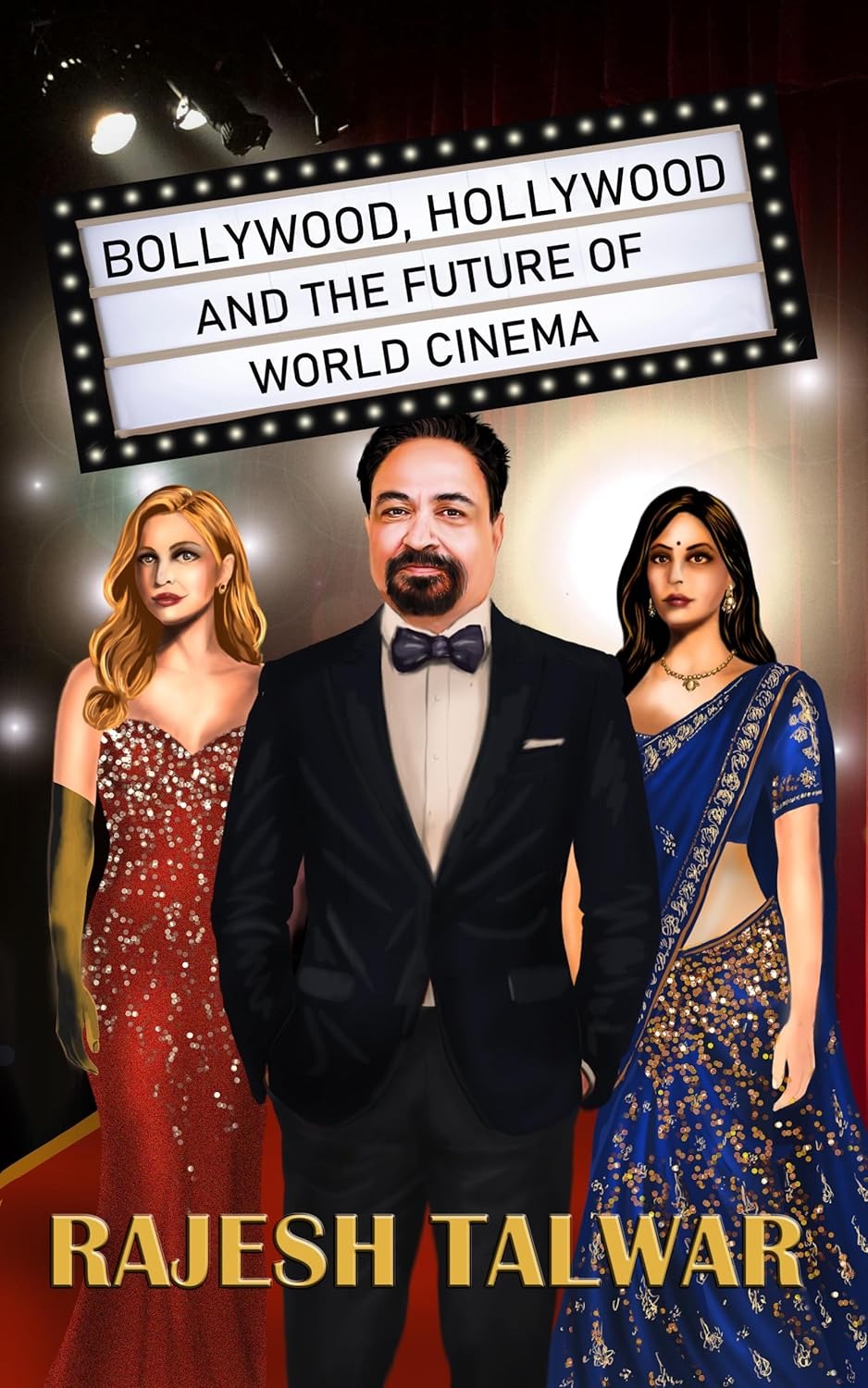
The book is divided into four sections and moves smoothly across different eras and countries. Talwar writes with the confidence of someone who understands both world cinema and India’s unique place in it. His essays on Indian film legends—Amitabh Bachchan, Rajinikanth, Sridevi, Dev Anand, and Hema Malini—are full of interesting observations about what made these stars iconic. He also profiles international masters like Chaplin, Kurosawa, and Satyajit Ray, reminding readers that cinema has always been a shared global language.

One of the strongest aspects of the book is its wide-angle view of world cinema. Talwar explains the rise of Korean entertainment, the disciplined film industries of Japan and China, and Hollywood’s long-standing global influence. He then places Indian cinema within this international context, arguing that India has the potential to grow its global footprint—if it invests in better storytelling, technology, and craft.

The book also explores the future of filmmaking. Talwar discusses AI-driven cinema, changing music trends, and international collaborations. Since he himself is involved in producing an AI-generated animated film, his insights feel practical and forward-looking.

Another important part of the book is the author’s examination of the Hema Committee Report on the Malayalam film industry. Talwar breaks down the report in simple terms and explains the need for reforms across Indian cinema related to safety, ethics, working conditions, and professional standards.

What makes this book stand out is Talwar’s global experience and balanced perspective. Having worked with international organisations and studied at top universities, he brings a broad understanding of how cinema works culturally, politically, and economically.

In the end, Bollywood, Hollywood and the Future of World Cinema is a rare combination—broad in scope, full of insights, yet accessible to any reader. It helps us understand how cinema has evolved, where it is today, and where it might go next. A relevant and valuable book for anyone interested in movies or cultural change.

Deepali Sharma

*the book is available in Kindle Format.

Comments (0)

Please login to share your comments.


Storyberrys — Discover & Share Creative Stories

Read short stories, poetry, art and more — from a community of storytellers, in English and Hindi.

© Copyright 2026 Storyberrys Digital Services LLP. All rights reserved.

Book Review : A Bold, Big-Picture Look at Indian and World Cinema’s Past—and Its Future

Book Review : A Bold, Big-Picture Look at Indian and World Cinema’s Past—and Its Future

Avatar
deepali sharma

15 Feb 20262 min read

Published in literaturelatest

Bollywood, Hollywood and the Future of World Cinema by Rajesh Talwar is an engaging and easy-to-read book that takes readers on a journey through the past, present, and future of global cinema. Talwar brings together history, famous personalities, industry debates, and future possibilities in a way that appeals to everyone—students of film, critics, and everyday movie lovers.

The book is divided into four sections and moves smoothly across different eras and countries. Talwar writes with the confidence of someone who understands both world cinema and India’s unique place in it. His essays on Indian film legends—Amitabh Bachchan, Rajinikanth, Sridevi, Dev Anand, and Hema Malini—are full of interesting observations about what made these stars iconic. He also profiles international masters like Chaplin, Kurosawa, and Satyajit Ray, reminding readers that cinema has always been a shared global language.

One of the strongest aspects of the book is its wide-angle view of world cinema. Talwar explains the rise of Korean entertainment, the disciplined film industries of Japan and China, and Hollywood’s long-standing global influence. He then places Indian cinema within this international context, arguing that India has the potential to grow its global footprint—if it invests in better storytelling, technology, and craft.

The book also explores the future of filmmaking. Talwar discusses AI-driven cinema, changing music trends, and international collaborations. Since he himself is involved in producing an AI-generated animated film, his insights feel practical and forward-looking.

Another important part of the book is the author’s examination of the Hema Committee Report on the Malayalam film industry. Talwar breaks down the report in simple terms and explains the need for reforms across Indian cinema related to safety, ethics, working conditions, and professional standards.

What makes this book stand out is Talwar’s global experience and balanced perspective. Having worked with international organisations and studied at top universities, he brings a broad understanding of how cinema works culturally, politically, and economically.

In the end, Bollywood, Hollywood and the Future of World Cinema is a rare combination—broad in scope, full of insights, yet accessible to any reader. It helps us understand how cinema has evolved, where it is today, and where it might go next. A relevant and valuable book for anyone interested in movies or cultural change.

Deepali Sharma

*the book is available in Kindle Format.

Comments (0)

Please login to share your comments.


Storyberrys — Discover & Share Creative Stories

Read short stories, poetry, art and more — from a community of storytellers, in English and Hindi.

© Copyright 2026 Storyberrys Digital Services LLP.

All rights reserved.